Last updated: — Production and inspection sections updated for the Bazhou, Hebei factory.
Choosing a cotton buds manufacturer affects product consistency, the reliability of your packaging and the evidence available before shipment. For retailers, importers and private-label brands, a useful comparison starts with one product specification and a clear plan for qualifying the actual factory.
Use this guide to compare materials, production, inspection and delivery commitments. For an initial shortlist, see our cotton bud manufacturers comparison for B2B buyers.
Why Is It Important To Choose The Right Cotton Buds Manufacturer?
A low unit price is only useful when the supplied product matches your specification. Cotton quantity, shaft dimensions, tip retention, pack count and packaging all affect whether the order will meet your requirements. Compare the same SKU and acceptance criteria across suppliers.
The factory relationship also determines how changes are handled: who approves a substitute material, what happens after an inspection failure, and which records accompany the batch. Establish these responsibilities before the first production order.
What Are The Key Factors To Consider When Choosing A Cotton Buds Manufacturer?
Materials and Product Fit
Approve the shaft material, dimensions, cotton weight, tip shape and packaging. A supplier’s range may include bamboo, paper, wood and plastic shafts, plus baby-care and cosmetic formats. Confirm that the quoted factory and configuration actually support the selected SKU.
Production and Inspection You Can Verify
Ask what is checked during production, which defects the system can detect, how rejected pieces are removed, and how finished-pack quantity is verified. Separate visible-defect inspection from retention, strength, composition and any required laboratory tests. See the quality inspection guide for an acceptance-plan checklist.
Capacity, Packing and Delivery
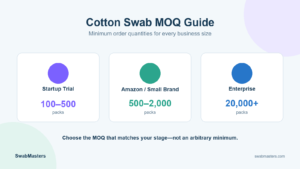
Evaluate accepted output for your product and pack format, current production loading, packaging supply, changeover and inspection time. A historical machine count or headline speed is not an order-specific delivery commitment. Ask for product MOQ and printed-packaging MOQ separately.
Factory Documents and Buyer Requirements
Request the audit reports, certificates and product evidence required for your program. Verify legal entity, facility address, scope and validity. A certification in preparation or a document for a former plant cannot establish the current facility’s status.
How Do I Choose The Right Cotton Buds Manufacturer For My Business?
- Prepare one specification. Include materials, dimensions, tip requirements, pack format, quantity and acceptance criteria.
- Compare samples and quotations. Record differences before comparing unit prices.
- Review the actual production site. Request a walkthrough of the process intended for your product, rather than relying on generic equipment photos.
- Agree inspection and release. Define checks, sampling, defect disposition and any independent inspection.
- Qualify a trial order. Confirm how results and feedback will be used before scaling the program.
SwabMasters’ New Factory: What to Review
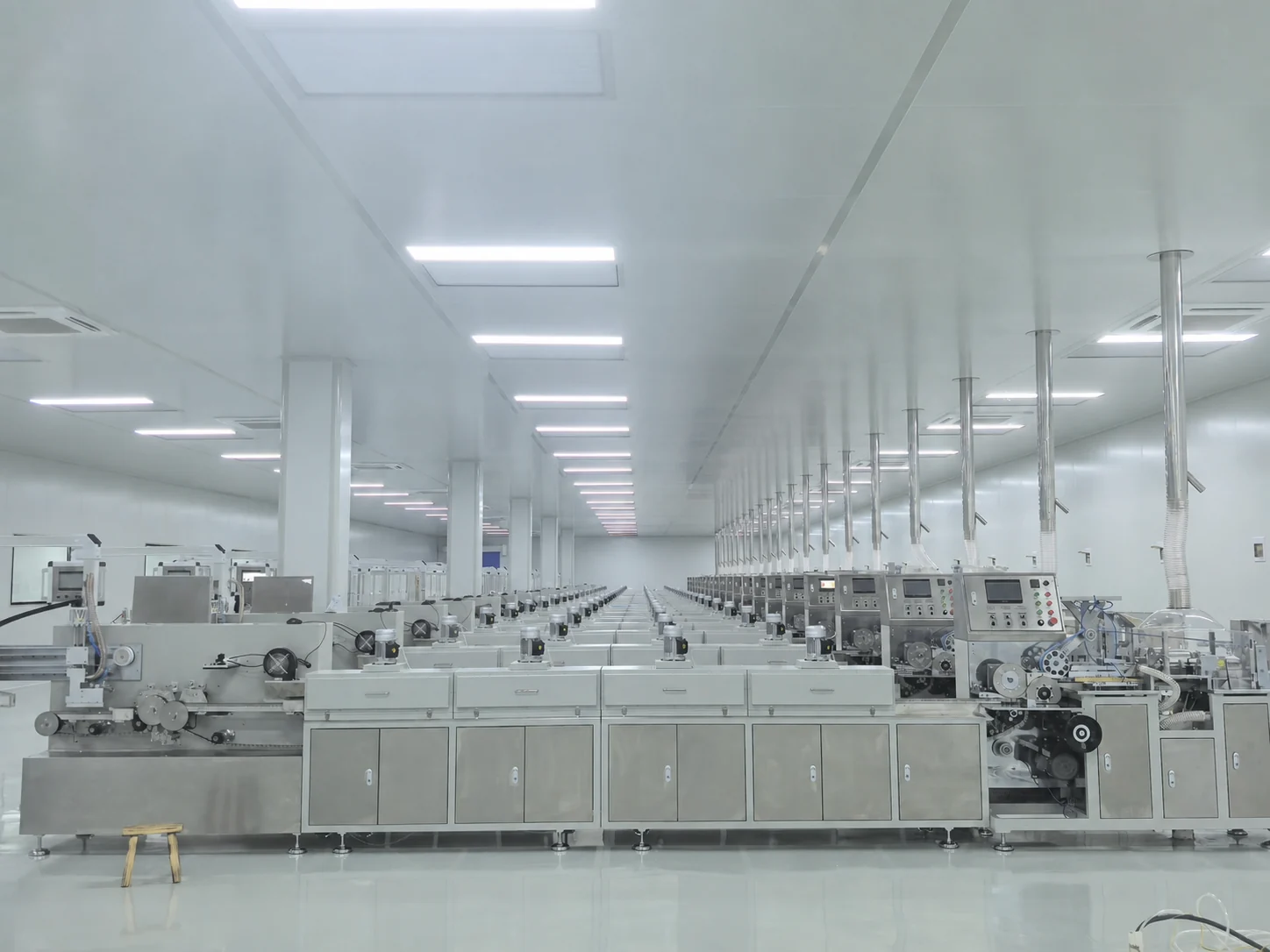
SwabMasters’ production facility is in Bazhou, Hebei, while the Dongguan office supports sales and buyer liaison in South China. The new factory combines automated production and bag packing with a controlled clean environment, enclosed cotton-dust extraction and controlled adhesive preparation.
On applicable configurations, vision inspection checks defined visible features, automatic rejection removes pieces judged nonconforming, and count compensation replaces rejected pieces to help maintain the specified pack quantity. These controls reduce repetitive handling and support process consistency; product-specific tests and finished-pack verification remain necessary.
During a factory review, discuss the inspection coverage for your SKU, observe rejection and packing, and agree the records you need. Confirm current factory documentation and separate audit preparation from completed certification. The production process guide explains the stages in more detail.
Conclusion
Choose a manufacturer whose product specification, process controls and order terms you can verify. Samples, a factory review and an agreed quality plan make supplier comparisons more useful than generic claims about size or quality.
Send SwabMasters your current SKU, packaging and acceptance requirements to discuss samples, a comparable quotation or a factory review.