01
Lower Labor Dependency
Automation reduces reliance on manual operation and packing, improving cost and output stability.


Cleaner production. Smarter inspection. Lower labor dependency.
SwabMasters manufactures cotton swabs in China using automated packing, vision inspection, defect rejection and quantity compensation inside a Class 100,000 controlled clean workshop.
Manufacturing support for
Large retail programs need more than a low unit price. They need repeatable quality, accurate pack counts, stable delivery and a factory prepared for buyer audits.
Our new production platform reduces manual handling and integrates inspection into the line, helping buyers control quality and supply risk without losing cost competitiveness.
Automation reduces reliance on manual operation and packing, improving cost and output stability.
Vision inspection identifies defined appearance defects and triggers automatic rejection.
Automatic quantity compensation helps reduce under-count risk after rejected pieces are removed.
A controlled clean environment and enclosed dust extraction reduce contamination risks.
A comparable seven-line bag-packing setup that traditionally required approximately 21 operators can now be managed by two operators in our new configuration.
This internal production comparison shows what automation means for buyers: less exposure to labor availability, more consistent process control and competitive factory-direct pricing.
*Configuration-specific internal comparison for seven bag-packing lines; not a universal labor claim.
Select a material or application, then customize tip shape, dimensions, pack count and retail packaging.

Strong bamboo shafts with customizable tips and paper-based packaging options.

Retail-ready paper-shaft options for bags, boxes, tubs and blister packaging.

Flexible PP shafts for markets and applications where plastic remains appropriate.

Rigid wooden applicators available in multiple lengths, cotton weights and pack formats.

Safety-tip formats for private-label baby-care ranges, subject to buyer specifications.

Pointed, rounded and dual-tip formats for makeup application and correction.
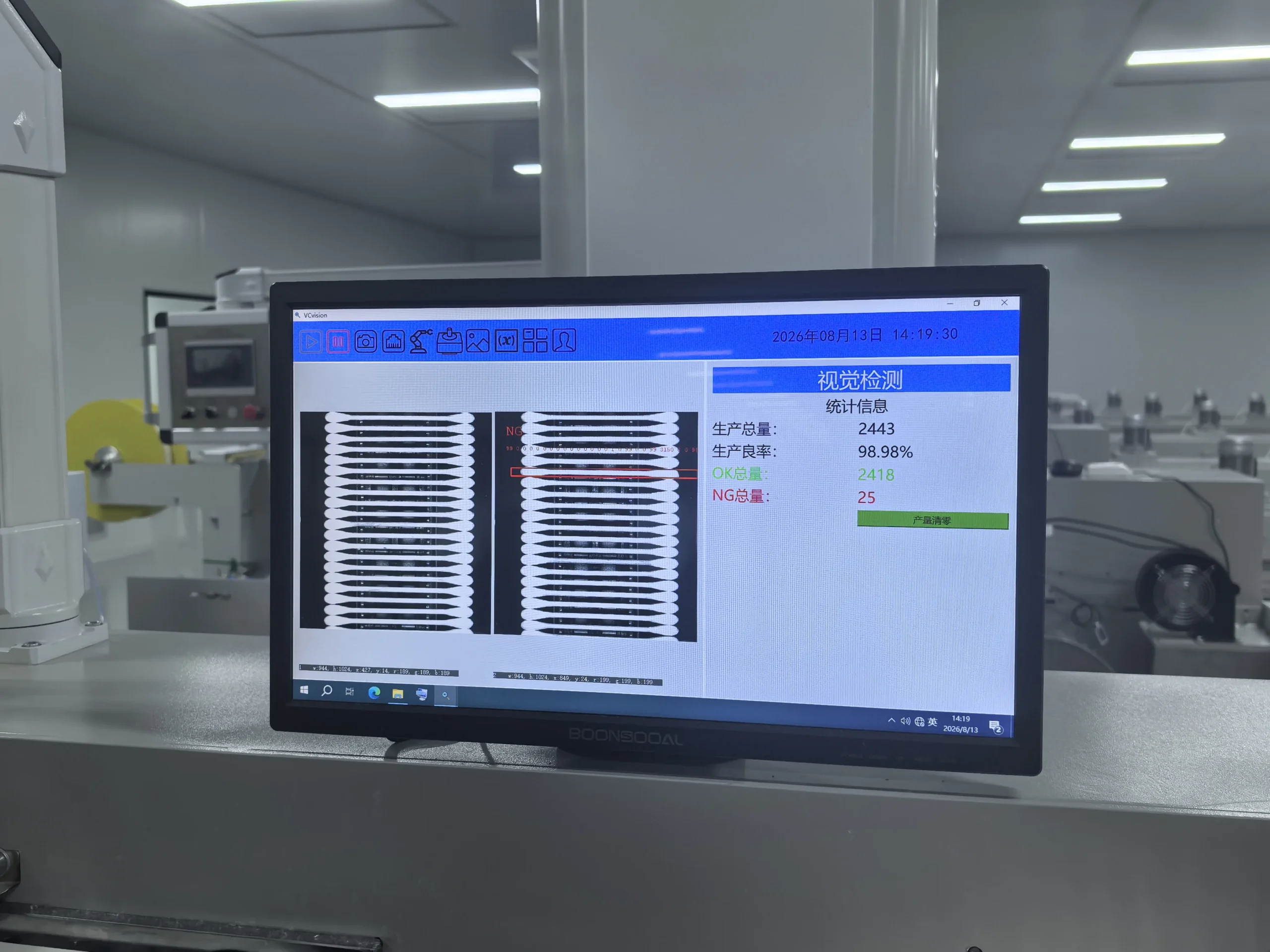
Quality control happens during production—not only after the cartons are packed.
The system compares each product against defined visible-quality parameters.
Detected nonconforming pieces are removed without waiting for manual sorting.
The line adds replacement pieces to help maintain the specified pack count.
Operators can monitor output, accepted pieces and rejected pieces in real time.
Designed to reduce exposure to airborne particles, insects and external contaminants while supporting organized, audit-ready production.
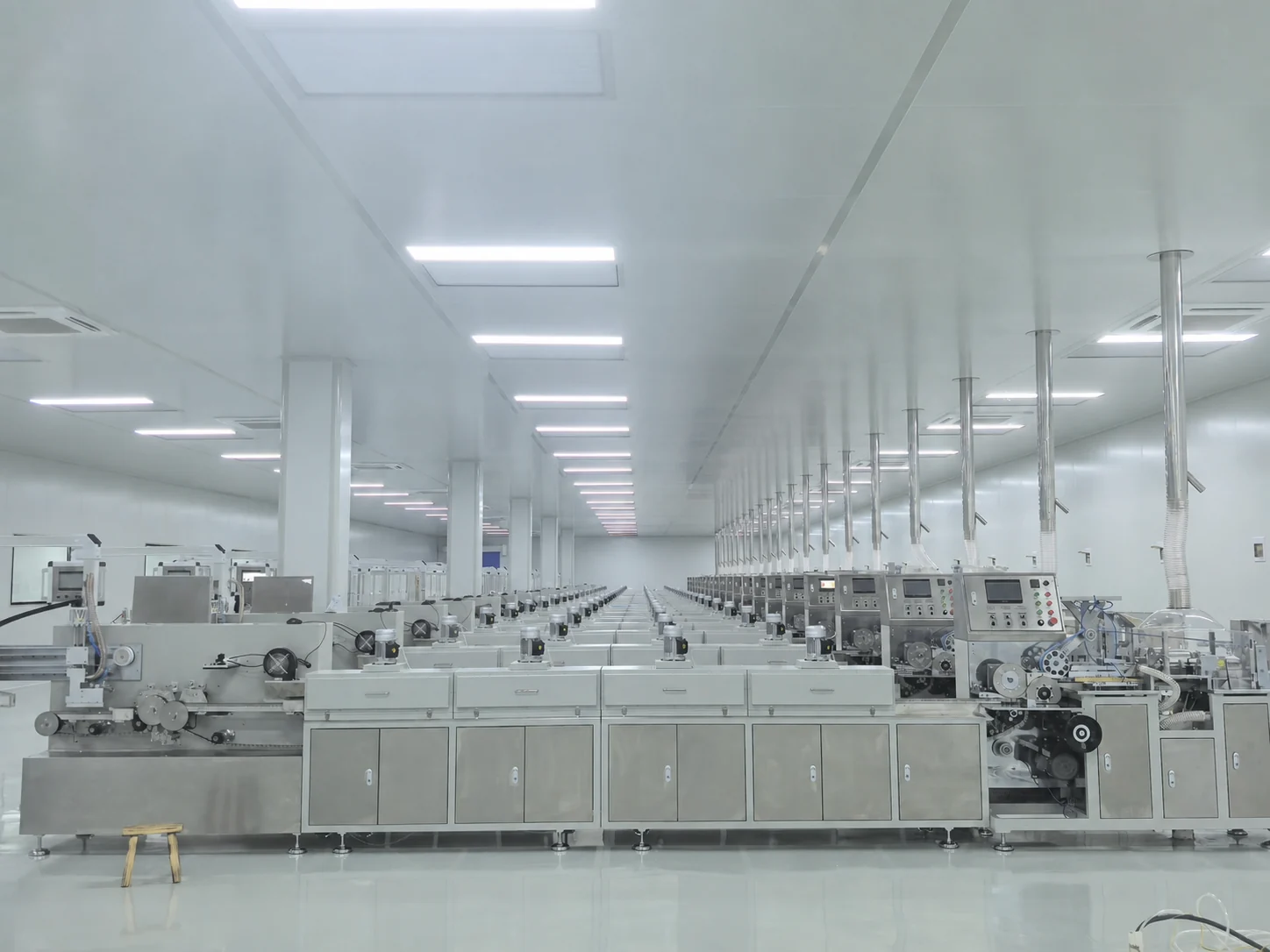
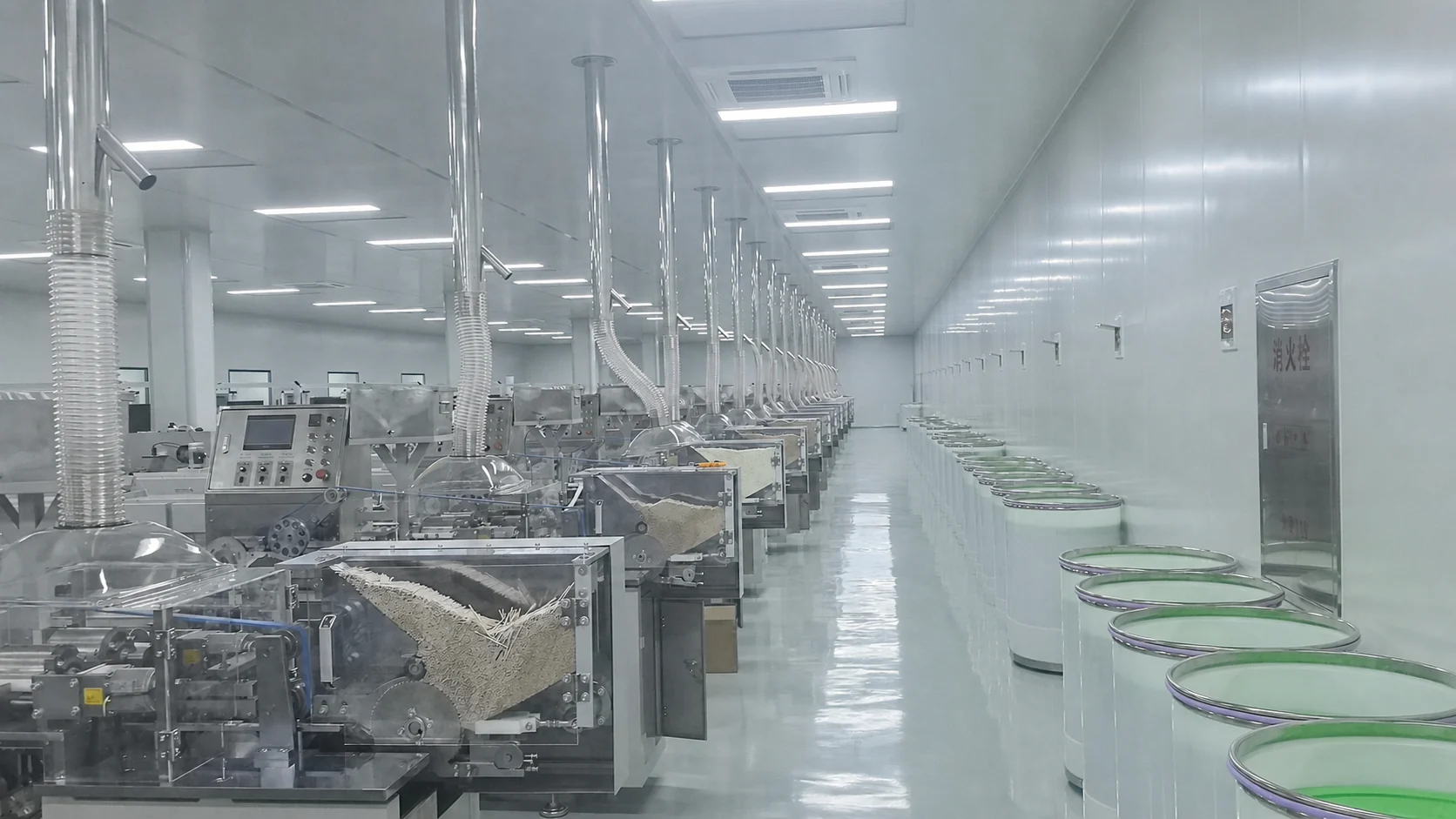
The workshop, equipment layout and process controls are designed to support repeatable manufacturing and buyer inspection requirements.
Short, unfiltered clips from the production floor give buyers a clearer view of the equipment, process control and working environment behind each order.
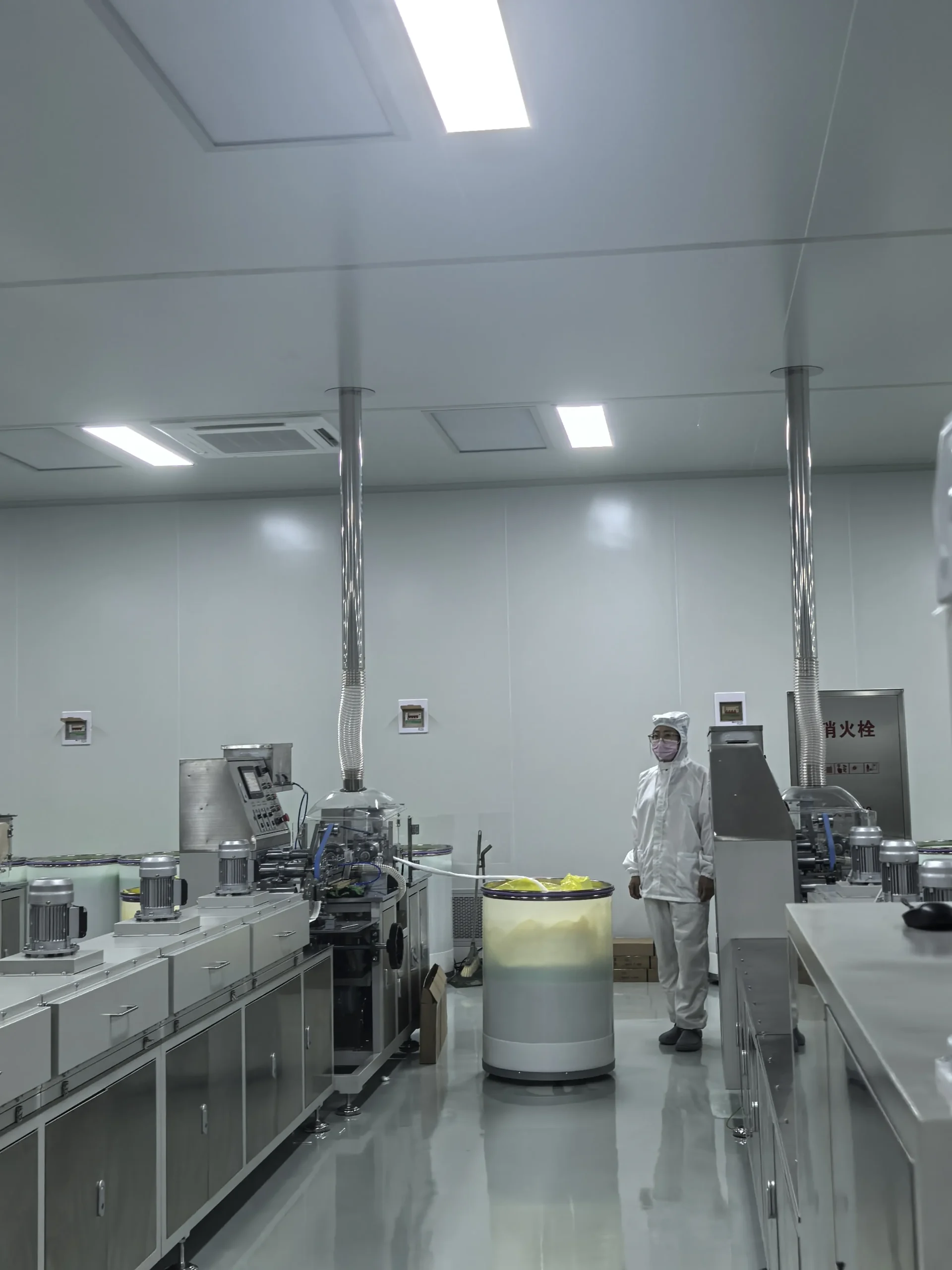
Use these images and videos during supplier qualification, then request the supporting documents and factory-audit information needed for your program.
Whether you supply a discount chain, supermarket, variety store or your own private-label brand, the production plan starts with your existing SKU and quality requirements.
Automation supports repeat orders and volume planning with less dependence on manual staffing.
New-factory infrastructure, procedures and records are being prepared to support buyer-specific audits.
Bags, boxes, tubs, blisters and buyer-designed private-label formats.
Lower labor dependency supports a strong price-to-quality position for volume programs.
You do not need to replace your current supplier. Start by comparing one cotton swab SKU on specification, packing, visible quality, MOQ, lead time and FOB cost.
Open our secure inquiry form and send your current cotton swab specification, packaging photo or target requirements.
Open Secure Inquiry Form
Uses the existing SwabMasters Leads form with spam protection.
The new Hebei factory has been designed with the production infrastructure and management conditions needed to support buyer-specific quality, social-compliance, workplace-safety and supply-chain-security audits.
Document control, traceability, inspection records and corrective-action procedures.
Preparation for labor, working-hours, payroll, human-rights and workplace-condition reviews.
Visitor control, shipment security, facility access and anti-terrorism procedures.
Fire protection, emergency procedures, safety training and controlled production conditions.
Support for customer standards, audit checklists and corrective-action follow-up.
Formal certificates and third-party audit reports for the new facility will be shared after completion and verification.
Every specification and market is different. These answers define the starting point; the final requirement is confirmed in the quotation and approved sample.
Yes. Send a product photo, sample, specification or packaging artwork. We can review the shaft, tip, dimensions, cotton weight, pack count and packaging before proposing a benchmark.
No manufacturing process can honestly promise zero defects. Our vision system helps detect defined visible defects and automatically reject them, while production and final inspection controls remain necessary.
Options may include bags, paper boxes, tubs, blister packs and other private-label formats, subject to the product specification, equipment fit and order quantity.
Yes. Buyers can begin with a single SKU benchmark, sample approval and trial order before deciding whether to add SwabMasters as an alternative or backup source.
Please provide stick material, length, tip shape, pack count, packaging format, target quantity, destination market and any testing or audit requirements.