Last updated: — Production and inspection sections updated for the Bazhou, Hebei factory.
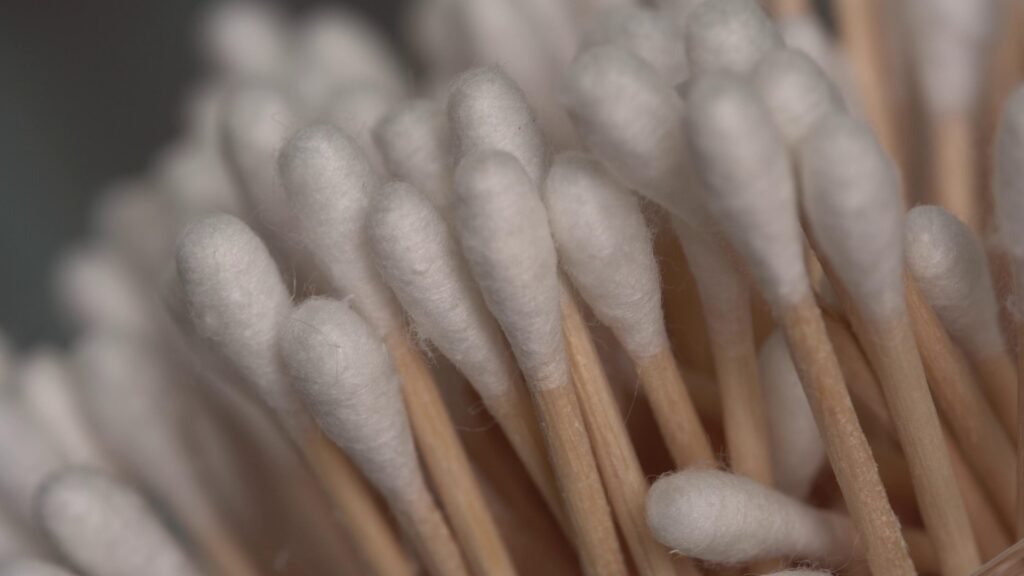
Global cotton swab demand and manufacturing trends, highlighting key production hubs and market growth.
Introduction: Global Demand for Cotton Swabs and Manufacturing Trends
Have you ever wondered where your cotton swabs come from?
It seems like a simple question. But the answer reveals a complex global network of manufacturing, trade, and innovation that spans multiple continents.
The global cotton swab market was valued at USD 1.65 billion in 2026 and is projected to reach USD 2.19 billion by 2032, growing at a CAGR of 4.9% . That makes understanding where cotton swabs are manufactured not just interesting — but essential for any brand, retailer, or procurement specialist looking to source quality products at competitive prices.
This article provides a comprehensive, data-driven overview of the global cotton swab manufacturing landscape. We will explore the top production countries, compare costs and lead times, examine quality certifications, and help you choose the right manufacturing partner for your business.
Quick Answer: Where Are Cotton Swabs Manufactured?
For readers who need a fast answer:
The vast majority of the world’s cotton swabs are manufactured in China, which accounts for an estimated 60–70% of global production and exports. Other significant manufacturing countries include India, Vietnam, and the United States, each serving different market segments and price points.
| Country | Global Share (Est. ) | Key Strength | Primary Markets |
| China | 60–70% | Scale, cost, full supply chain | Global (EU, US, Asia, Africa) |
| India | 10–15% | Raw cotton access, low cost | Asia, Africa, Middle East |
| Vietnam | 5–8% | Trade agreements, young workforce | EU, Japan, South Korea |
| USA | 3–5% | Quality, FDA compliance, brand trust | Domestic (US) |
| Others (Brazil, Turkey, Mexico) | 5–10% | Regional proximity, niche markets | Latin America, Europe |
For buyers evaluating a Chinese source, SwabMasters’ current production facility is in Bazhou, Hebei. Its Dongguan office supports sales and international-buyer liaison. Evaluate the actual production site, product specification, process controls and delivery plan when comparing suppliers.
Top Cotton Swab Manufacturing Countries
The global cotton swab manufacturing industry is concentrated in a handful of countries. Each offers distinct advantages depending on your priorities — whether that is cost, quality, speed, or regulatory compliance.
China: The World’s Largest Cotton Swab Manufacturer

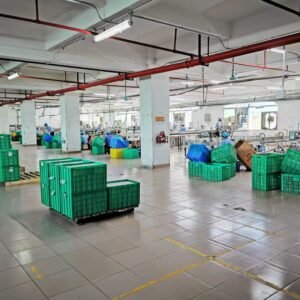
A modern Chinese cotton swab manufacturing facility, showcasing advanced automation and quality control.
China dominates global cotton swab manufacturing. The country’s Guangdong, Zhejiang, and Jiangsu provinces are home to hundreds of cotton swab factories, ranging from small workshops to large-scale automated facilities.
Why China leads in cotton swab manufacturing:
China’s dominance is built on three pillars. First, economies of scale — Chinese factories operate high-speed automated production lines that can produce millions of cotton swabs per day, driving down unit costs significantly. Second, a vertically integrated supply chain — many Chinese manufacturers control the entire process from raw cotton sourcing and stick production to tip winding, packaging, and shipping. This integration reduces costs and improves quality control. Third, decades of accumulated expertise — China has been the world’s factory for cotton swabs for over 30 years, building deep manufacturing know-how that is difficult to replicate.
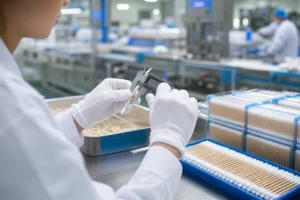
For example, SwabMasters’ Bazhou factory combines automated production and bag packing with in-line visual inspection, automatic rejection and count compensation on applicable configurations. This is a more useful basis for reviewing a sourcing program than historical worker or machine counts.
Key manufacturing hubs in China:
| Province | City/Region | Specialization |
| Guangdong | Dongguan, Shenzhen | OEM/ODM cotton buds, export-focused |
| Zhejiang | Yiwu, Hangzhou | Mass-market cotton swabs, commodity products |
| Jiangsu | Nantong, Suzhou | Medical-grade swabs, precision products |
| Hubei | Xiantao | Nonwoven medical swabs |
India: Raw Material Advantage and Growing Exports
India is the world’s largest cotton producer, giving its cotton swab manufacturers a natural raw material advantage. Indian factories benefit from direct access to high-quality raw cotton at lower prices than most competitors, which translates into competitive finished product pricing.
The Indian cotton swab industry is concentrated in Gujarat, Maharashtra, and Tamil Nadu. While Indian manufacturers have traditionally focused on the domestic market and exports to Africa and the Middle East, they are increasingly targeting Western markets as well.
However, Indian cotton swab manufacturing faces challenges in consistency and scale compared to China. Many Indian factories are smaller operations with less automation, which can lead to variability in product quality across batches. For brands that require strict quality consistency and large-volume orders, this remains a consideration.
Vietnam: The Rising Star of Cotton Swab Manufacturing
For a buyer-focused review of local suppliers, imported supply routes, labeling, MOQ and vendor qualification, read our Vietnam cotton swab suppliers and import sources guide.
Vietnam has emerged as a significant player in cotton swab manufacturing, driven by favorable trade agreements and a young, cost-competitive workforce. The country’s participation in the CPTPP (Comprehensive and Progressive Agreement for Trans-Pacific Partnership) and the EU-Vietnam Free Trade Agreement (EVFTA) gives Vietnamese manufacturers preferential tariff access to key markets.
Vietnam’s cotton swab factories are concentrated in Ho Chi Minh City and surrounding industrial zones. While the country’s manufacturing capacity is still smaller than China’s, it is growing rapidly. Vietnam is particularly attractive for brands looking to diversify their supply chain away from China while maintaining competitive pricing.
The main limitation is that Vietnam’s cotton swab industry is still developing its supply chain infrastructure. Most raw materials — including cotton and stick materials — are imported, which can add to lead times and costs.
United States: Premium Quality and Domestic Supply
The United States has a long history of cotton swab manufacturing, anchored by iconic brands like Q-tips (owned by Unilever). Q-tips commands approximately 97% of the branded cotton swab market in the US , and its manufacturing operations are based domestically.
US cotton swab manufacturing focuses on premium quality, strict FDA compliance, and the “Made in USA” brand value. American manufacturers are subject to rigorous FDA regulations for cosmetic and medical-grade cotton swabs, ensuring the highest safety standards.
However, US manufacturing costs are significantly higher than Asian alternatives. Labor costs, regulatory compliance, and raw material prices make US-manufactured cotton swabs 3–5 times more expensive than Chinese equivalents. This price premium limits US manufacturing primarily to the domestic market and specialized applications.
In 2025, the Biden administration awarded a $6.5 million contract to US Cotton LLC to increase domestic production of polyester-tipped swabs , signaling continued government interest in maintaining domestic manufacturing capacity.
Other Emerging Cotton Swab Manufacturing Countries
Several other countries are developing their cotton swab manufacturing capabilities:
Brazil is leveraging its position as a major cotton producer and its large domestic market to build a growing cotton swab industry. Brazilian manufacturers primarily serve the Latin American market.
Turkey has established itself as a manufacturing hub for cotton swabs destined for European and Middle Eastern markets, benefiting from its geographic proximity and customs union with the EU.
Mexico is attracting cotton swab manufacturing investment due to the USMCA trade agreement, which provides duty-free access to the US and Canadian markets. For brands seeking a nearshoring alternative to China, Mexico offers competitive labor costs with shorter shipping times to North America.
Cotton Swab Manufacturing Cost and Lead Time Comparison
One of the most critical factors in choosing where to source cotton swabs is understanding the true cost — not just the unit price, but also shipping, tariffs, lead times, and quality assurance costs.
Cost Comparison by Country
| Cost Factor | China | India | Vietnam | USA |
| Raw Material Cost | Low–Medium | Low | Medium | High |
| Labor Cost | Low–Medium | Low | Low | High |
| Unit Price (per 1000 pcs ) | $0.80–$1.50 | $0.70–$1.30 | $0.90–$1.60 | $3.00–$5.00 |
| Shipping to US (per container) | $3,000–$5,000 | $3,500–$5,500 | $3,200–$5,200 | N/A (domestic) |
| Import Tariff (US) | 0–25% (varies) | 0–5% | 0% (CPTPP) | N/A |
| MOQ (typical) | 50,000–100,000 pcs | 100,000+ pcs | 50,000–100,000 pcs | 10,000–50,000 pcs |
Pro Tip: When comparing costs, always request a landed cost calculation that includes unit price, packaging, shipping, insurance, customs duties, and any applicable tariffs. The cheapest unit price does not always mean the lowest total cost.
Lead Time Comparison
| Stage | China | India | Vietnam | USA |
| Sample Production | 3–5 days | 5–10 days | 5–7 days | 7–14 days |
| Mass Production | 15–25 days | 20–35 days | 20–30 days | 15–25 days |
| Shipping to US | 18–25 days (sea) | 25–35 days (sea) | 20–28 days (sea) | 3–7 days (ground) |
| Total Lead Time | 36–55 days | 50–80 days | 45–65 days | 25–46 days |
For SwabMasters orders, sample and production dates are confirmed against the SKU, packaging supply, approval schedule and current factory loading. Automated equipment supports repeatable operations, but does not remove changeover, inspection or material lead times.
Global Cotton Swab Market Statistics and Trends (2026 Update)
A display of key quality certifications, including ISO, FDA, and CE, ensuring product safety and compliance.
Understanding the broader market context helps buyers make strategic sourcing decisions. Here are the latest market statistics and trends shaping the cotton swab industry in 2026.
Market Size and Growth
The global cotton swab market continues to grow steadily, driven by increasing hygiene awareness, expanding cosmetic applications, and growing demand in emerging markets.
| Metric | Value | Source |
| Global Market Size (2026) | USD 1.65 Billion | Research and Markets |
| Projected Size (2032) | USD 2.19 Billion | Research and Markets |
| CAGR (2026–2032) | 4.9% | Research and Markets |
| Global Production Volume (2025) | 687.73 Billion Units | Expert Market Research |
| Biodegradable Segment CAGR | 12.6% (2026–2033) | LinkedIn Market Report |
The most notable trend is the rapid growth of the biodegradable cotton swab segment, which is expanding at 12.6% CAGR — nearly three times the overall market growth rate. This is driven by increasing plastic bans in the EU, UK, Australia, and other regions, forcing brands to switch from plastic to bamboo or paper stick cotton swabs.
Regional Market Distribution
| Region | Market Share (Est. ) | Key Trend |
| Asia-Pacific | 38–42% | Largest production and consumption region |
| Europe | 25–28% | Driving demand for eco-friendly alternatives |
| North America | 18–22% | Premium segment, Q-tips dominance |
| Latin America | 5–7% | Growing domestic manufacturing |
| Middle East & Africa | 4–6% | Rapidly growing import market |
Key Industry Trends for 2026
1. Plastic bans accelerating the shift to bamboo and paper cotton swabs. The EU Single-Use Plastics Directive, implemented in 2021, has fundamentally changed the European cotton swab market. Plastic cotton buds are now banned in the EU, UK, and several other countries. This has created massive demand for bamboo cotton buds and paper cotton buds from manufacturers like SwabMasters.
2. Supply chain diversification beyond China. While China remains dominant, many brands are adopting a “China+1” strategy, adding secondary suppliers in Vietnam or India to reduce supply chain risk. However, China’s cost and quality advantages remain difficult to match.
3. Automation and quality control improvements. Leading cotton swab manufacturers are investing heavily in automated production lines, AI-powered quality inspection systems, and dust-free manufacturing environments. These investments improve consistency and reduce defect rates.
4. Private label and OEM growth. The private label cotton swab market is growing faster than branded products, as retailers and e-commerce brands seek to offer their own cotton swab products at competitive prices. This trend benefits OEM manufacturers like SwabMasters who specialize in custom manufacturing.
Quality Standards and Certifications for Cotton Swab Manufacturing
Choose the documents required by your intended use, destination and buyer program. Check the manufacturer’s legal entity, production address, covered activities, product scope and the validity of each document. A management-system certificate, a factory audit and a product test report answer different questions.
For a newly established or relocated facility, confirm what has been completed at the new address and what is still in preparation. Previous-factory certificates and logos do not establish the new facility’s certification status. A controlled clean workshop also does not establish product sterility.
Agree which inspection and testing records must accompany your order. Our quality inspection guide explains how in-line controls fit alongside sampling and product-specific tests.
Inside SwabMasters’ Cotton Swab Manufacturing Facility
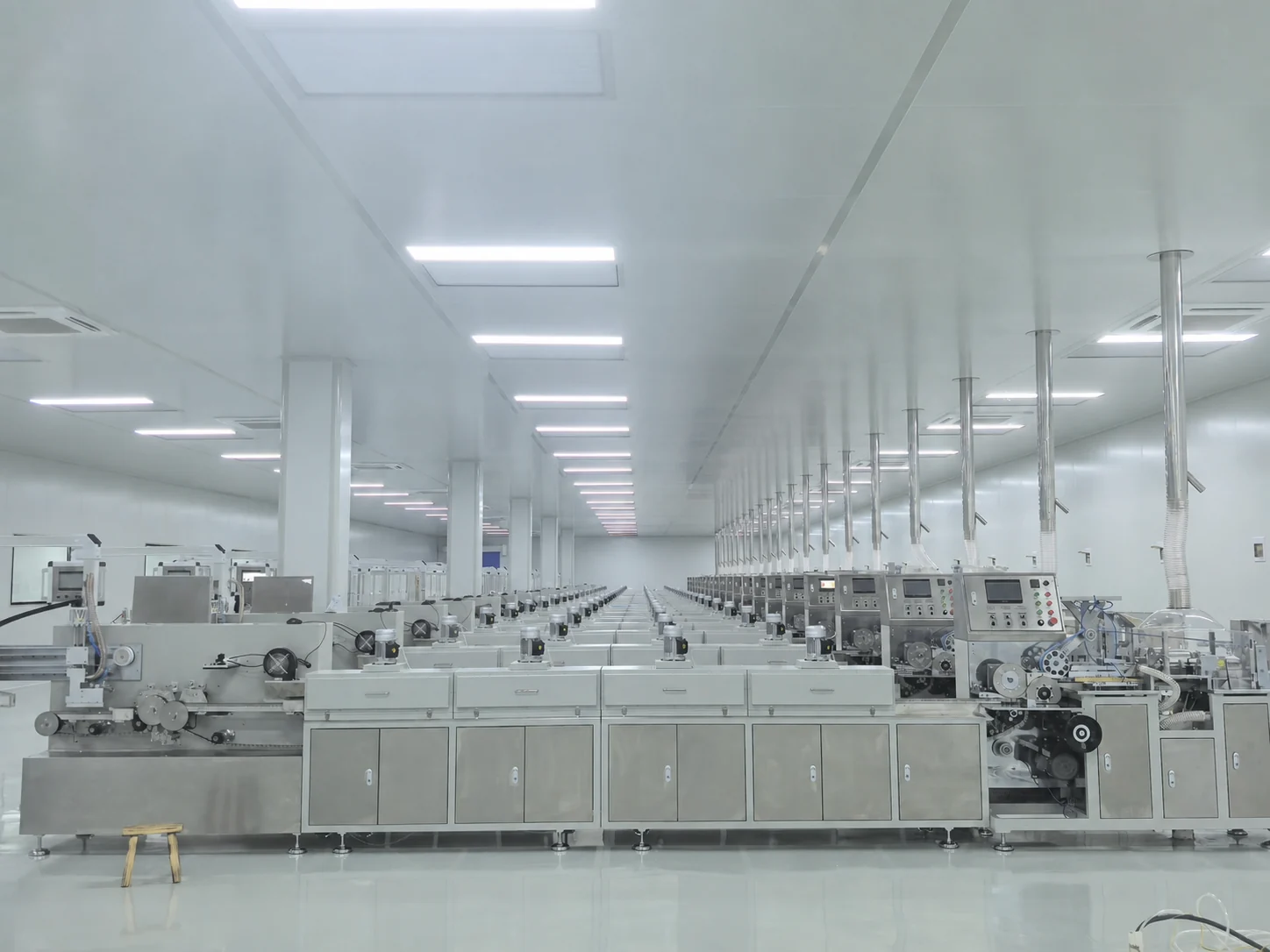
SwabMasters’ new factory is designed around automated production, controlled handling and repeatable packing for suitable retail and private-label configurations. The production site in Hebei and sales office in Dongguan serve different roles; specify whether you need a factory assessment or a commercial meeting.
- Controlled clean environment: production-area controls and enclosed extraction at cotton-dust-generating points support material and process handling.
- Controlled adhesive preparation: the preparation arrangement reduces unnecessary exposure during mixing and delivery; bond quality is checked against the product specification.
- Vision inspection and rejection: configured visible features are checked and pieces judged nonconforming are removed.
- Count compensation: rejected pieces are replaced to help maintain the specified quantity before bag packing on the applicable configuration.
- Finished-product verification: agree retention, dimensions, quantity, seals, labeling and sampling before order release.
For a factory review, ask to see the configuration intended for your product, how inspection settings are established, and how abnormal results are handled. Confirm the scope of documentation and any third-party inspection in advance. New-factory certification and audit preparation must be distinguished from completed programs supported by current documents.
View the production process guide or send your SKU and factory-review requirements.
Environmental and Sustainability Considerations
Sustainability is no longer optional in cotton swab manufacturing — it is a business imperative. Here is how the industry is evolving:
The plastic ban effect. Since the EU banned single-use plastic cotton buds in 2021, the demand for eco-friendly bamboo cotton buds has surged. The biodegradable cotton swab segment is growing at 12.6% CAGR — nearly three times faster than the overall market .
Sustainable material options. SwabMasters offers multiple eco-friendly alternatives to traditional plastic cotton swabs:
| Material | Biodegradable | Renewable | Strength | Best For |
| Bamboo | Yes | Yes | High | General use, eco-brands |
| Paper | Yes | Yes | Medium (bends, doesn’t snap) | Baby care, safety-first brands |
| Wood (Birch) | Yes | Yes | Very High | Medical, industrial |
| Plastic (PP) | No | No | Flexible | Industrial, precision cleaning |
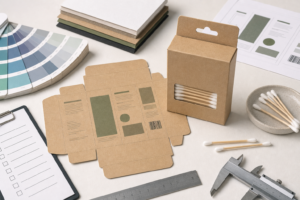
Packaging sustainability. Beyond the swab itself, packaging is a major sustainability consideration. SwabMasters offers eco-friendly packaging options including kraft paper boxes, recyclable cardboard containers, and compostable film wraps — all customizable with your brand design.
How to Choose the Right Cotton Swab Manufacturer
Selecting the right manufacturing partner can make or break your cotton swab business. Here are the key criteria to evaluate:
Key Selection Criteria
1. Verify certifications independently. Request the current certificates, audit reports and product documents required by your program and verify them with the appropriate issuer. Do not rely solely on certificates displayed on a website.
2. Request and test samples. A reputable manufacturer will provide free or low-cost samples. Test the cotton tip adhesion (pull test), stick strength, and overall finish quality before committing to a large order.
3. Visit the factory (or request a virtual tour). Nothing replaces seeing the production facility firsthand. Look for clean, organized production areas, automated quality control systems, and proper worker safety equipment.
4. Evaluate communication responsiveness. How quickly does the manufacturer respond to your inquiries? Do they provide clear, detailed answers? Communication quality during the quoting phase is a strong indicator of what to expect during production.
5. Check export experience. Ask how many countries the manufacturer exports to and request references from existing clients in your region. An experienced exporter will understand your market’s regulatory requirements and packaging standards.
Red Flags to Avoid
Trading companies posing as manufacturers. Some intermediaries claim to be factories but are actually trading companies that add a markup. Ask for factory photos, business licenses, and production videos to verify.
Unusually low prices. If a quote is significantly below market rates, the manufacturer may be cutting corners on cotton quality, adhesive, or quality control. Always compare at least 3–5 quotes to understand the market price range.
No certifications or expired certifications. A legitimate cotton swab manufacturer serving international markets will hold current quality and compliance certifications. The absence of certifications is a serious red flag.
Reluctance to provide samples. Any manufacturer confident in their product quality will be happy to send samples. Reluctance to do so suggests potential quality issues.
Frequently Asked Questions
Where are most cotton swabs manufactured?
Most cotton swabs are manufactured in China, which accounts for an estimated 60–70% of global production. China’s Guangdong, Zhejiang, and Jiangsu provinces are the primary manufacturing hubs. Other significant manufacturing countries include India, Vietnam, and the United States.
What is the largest cotton swab brand in the world?
Q-tips, owned by Unilever, is the world’s most recognized cotton swab brand, commanding approximately 97% of the branded market share in the United States. However, the global market includes hundreds of private label and regional brands manufactured by OEM factories like SwabMasters.
Are bamboo cotton swabs better than plastic?
Yes, bamboo cotton swabs are significantly better for the environment. They are 100% biodegradable and made from a highly renewable resource. Many countries have banned single-use plastic cotton buds, making bamboo the preferred sustainable alternative. SwabMasters manufactures both types to serve different market needs.
How much does it cost to manufacture cotton swabs?
Manufacturing costs vary by country and specifications. In China, the typical unit price ranges from $0.80 to $1.50 per 1,000 pieces for standard cotton swabs. US manufacturing costs are significantly higher, typically $3.00 to $5.00 per 1,000 pieces. Custom specifications, packaging, and order volume all affect pricing.
What certifications should a cotton swab manufacturer have?
Select certifications, audit reports and product tests according to the intended use and buyer program. For SwabMasters’ new Hebei factory, request current evidence identifying the legal entity, facility address, scope and validity; do not substitute previous-factory documents.
How long does it take to manufacture cotton swabs?
Sample and production timing depends on the agreed SKU, packaging materials, approvals and factory loading. Request an order-specific schedule including inspection, shipping and clearance rather than treating a generic lead-time range as a commitment.
Conclusion: The Future of Cotton Swab Manufacturing
The global cotton swab manufacturing landscape is evolving rapidly. While China remains the dominant manufacturing hub — and will likely continue to be for the foreseeable future — the industry is being reshaped by sustainability regulations, supply chain diversification strategies, and technological advancement.
For B2B buyers, the key takeaways are clear:
Choose a manufacturer with proven experience and certifications. In an industry where product quality directly impacts consumer safety, cutting corners on your manufacturing partner is not worth the risk.
Prioritize sustainability. The shift from plastic to biodegradable cotton swabs is not a trend — it is a permanent market transformation. Brands that invest in eco-friendly cotton swab products now will be better positioned for long-term growth.
Build a direct factory relationship. Working directly with a manufacturer like SwabMasters — rather than through trading companies — gives you better pricing, faster communication, and greater control over product quality.
For a sourcing comparison, send SwabMasters your sample, pack format, order quantity and quality requirements. We can review the fit with the Bazhou factory’s production and inspection configuration.
References
: Research and Markets. “Cotton Buds Market Size, Competitors & Forecast to 2032.” https://www.researchandmarkets.com/report/cotton-bud
: Keychain.com. “The 8 Best Cotton Swab Manufacturers and Brands.” https://www.keychain.com/manufacturer/cotton-swab
: US Cotton LLC. “Home.” https://www.uscotton.com/
: Expert Market Research. “Cotton Buds Market Size, Share, Growth & Forecast 2035.” https://www.expertmarketresearch.com/reports/cotton-buds-market
: LinkedIn. “Forecasting the Biodegradable Cotton Swab Market — 12.6% CAGR Growth.”
Ready to find your ideal cotton swab manufacturing partner? Contact SwabMasters today to discuss your specific requirements and discover how our advanced manufacturing capabilities can meet your needs.