Choosing the Right Cotton Bud Manufacturer: Solving Your Daily Needs
In our daily lives, cotton buds have become indispensable personal hygiene and beauty tools. Whether used for ear cleaning, makeup application, or precision cleaning tasks, high-quality cotton buds can significantly enhance the user experience. However, faced with the overwhelming variety of cotton bud brands in the market, many consumers and procurement professionals often find themselves confused: which manufacturers truly offer the highest quality, safest, and most environmentally friendly cotton bud products?
This question is particularly important because low-quality cotton buds can not only lead to poor user experience but may also pose safety hazards or environmental concerns. The quality, material selection, and manufacturing processes of cotton buds directly impact their functionality and safety. Furthermore, with the rising global environmental consciousness, sustainable and biodegradable cotton bud products are gaining increasing attention.
This article will reveal the top five cotton bud manufacturers of 2025, helping you understand each company’s strengths, innovations, and sustainability initiatives to make informed choices. Whether you’re an individual consumer or a business procurement professional, this authoritative guide will provide valuable reference information for your purchasing decisions.
Key Considerations When Choosing Quality Cotton Bud Manufacturers
When selecting the best cotton bud manufacturers of 2025, we comprehensively considered the following key factors:
- Quality and Safety: Whether products comply with international standards, use safe and non-toxic materials, and implement strict quality control during manufacturing.
- Environmental Sustainability: Whether manufacturers use eco-friendly materials such as paper or bamboo sticks instead of plastic, whether products are biodegradable, and whether production processes focus on reducing environmental impact.
- Product Diversity: Whether a variety of cotton bud types are offered to meet different needs, such as beauty, baby care, medical use, etc.
- Innovation and Technology: Whether there are innovations in product design and manufacturing processes, and whether they can adapt to changing market demands.
- Market Reputation: Brand history, customer reviews, and market share factors.
Based on these criteria, we conducted a comprehensive assessment of global cotton bud manufacturers and selected the five most outstanding companies of 2025.
Top 5 Cotton Bud Manufacturers of 2025
1. Swabmaster – Innovation Leader in the Cotton Bud Industry
Company Profile and History
Founded in 2000, Swabmaster is headquartered in Dongguan, Guangdong Province, China, specializing in cotton bud manufacturing. After 23 years of development, Swabmaster has become one of the leading enterprises in the global cotton bud industry, with 141 experienced employees and products exported to numerous countries and regions worldwide.
The company’s journey began with a small production line focused on basic cotton swabs, but their commitment to quality and innovation quickly set them apart from competitors. By 2010, they had expanded their production capacity significantly and began exploring eco-friendly alternatives to traditional plastic cotton buds. This forward-thinking approach positioned them well ahead of the global shift toward sustainable products that would follow in the next decade.
Product Features and Advantages
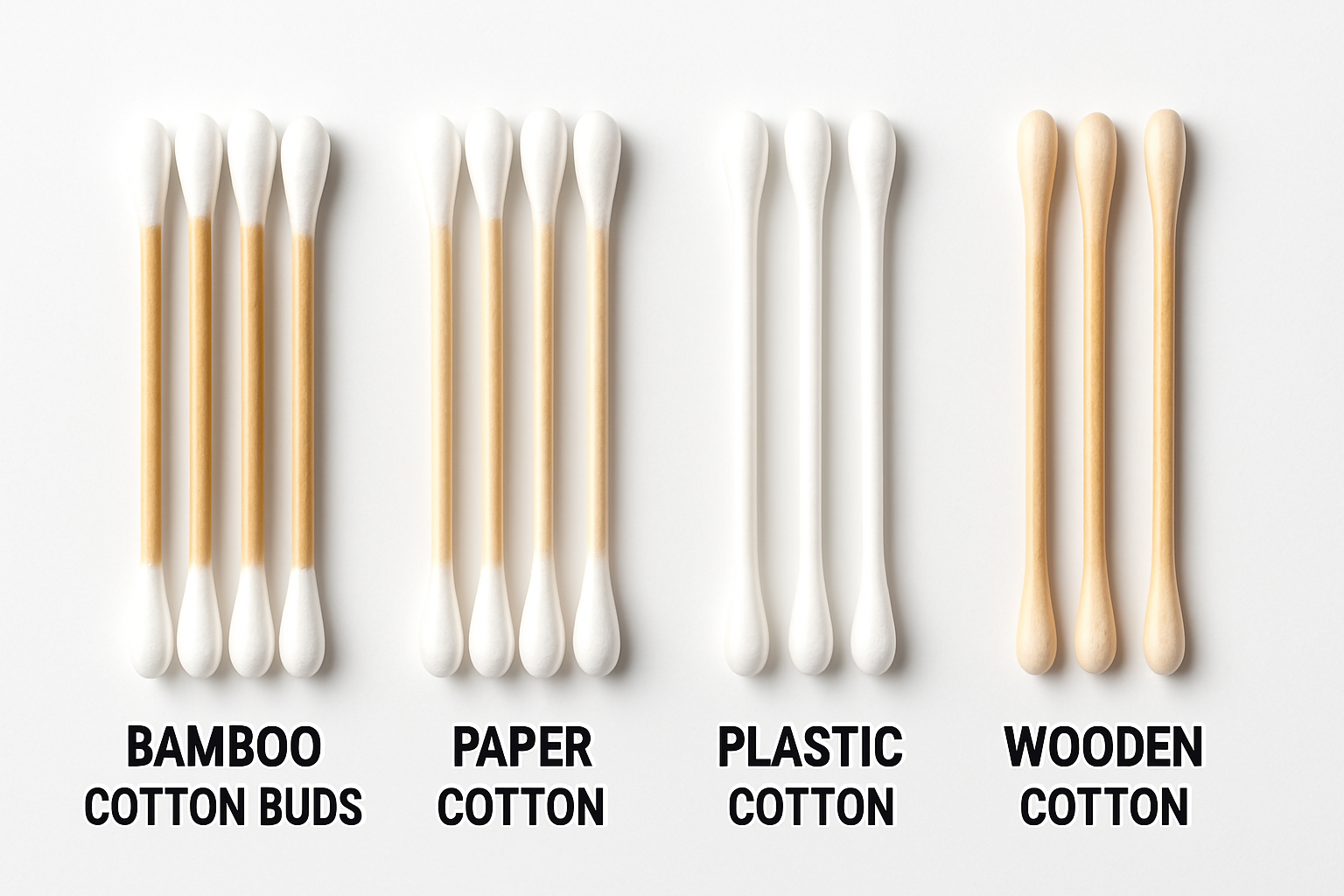
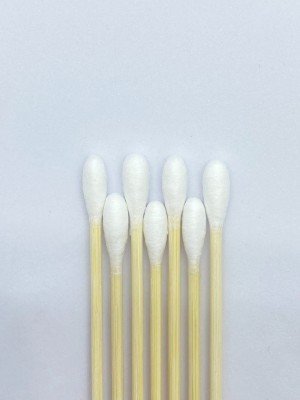
Swabmaster offers a wide range of cotton bud products, including bamboo, paper, plastic, wooden sticks, as well as specialized products for babies and cosmetic applications. Their greatest strength lies in product diversity and customization capabilities, meeting the needs of different markets and customers.
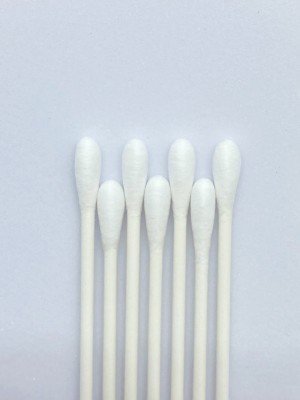
Swabmaster’s cotton buds are made from high-quality raw materials, ensuring product safety and reliability. Their bamboo and paper stick cotton buds are particularly popular among environmentally conscious consumers, as these products are not only functional but also reduce environmental impact.
The company’s manufacturing process incorporates advanced technology that ensures consistent cotton tip density and attachment strength. This attention to detail results in products that don’t shed cotton fibers during use – a common problem with lower-quality alternatives. Additionally, their precision engineering ensures that each cotton bud has the optimal balance of flexibility and strength for its intended purpose.
Environmental and Sustainability Initiatives
Swabmaster has demonstrated outstanding performance in environmental protection and actively promotes sustainable development. The company continuously increases the proportion of eco-friendly materials in their products, such as bamboo and paper stick cotton buds, while reducing the production of plastic stick cotton buds. Furthermore, Swabmaster has adopted eco-friendly packaging, further reducing the product’s environmental footprint.
Innovation Technology and Quality Control
As an ISO:9001:2015 certified enterprise, Swabmaster maintains strict standards and processes for quality control. The company continuously invests in research and development, improving production processes to enhance product quality and production efficiency. Their innovative cotton bud designs and manufacturing technologies give their products strong competitiveness in the market.
One of their most significant innovations has been the development of a proprietary cotton treatment process that increases absorbency while maintaining structural integrity. This has been particularly valuable for their medical and cosmetic lines, where precision application is crucial.
Why They Made the Top Five
Swabmaster earned its place among the best cotton bud manufacturers of 2025 due to its comprehensive product line, excellent quality, strong innovation capabilities, and environmental awareness. The company can provide customized solutions for clients with different needs while maintaining a commitment to environmental responsibility, making them stand out in a competitive market.
Their ability to balance mass production efficiency with customization options has made them a preferred supplier for both large retail chains and specialty beauty and medical suppliers. Furthermore, their transparent supply chain practices and ethical manufacturing standards have resonated with modern consumers who increasingly demand accountability from the brands they support.
2. Tulips Hygiene – Personal Hygiene Expert
Company Profile and History
Established in 1999, Tulips Hygiene is a leading personal hygiene product manufacturer in India, with products sold to over 17 countries globally. As an expert in the personal hygiene field, Tulips Hygiene not only produces cotton buds but also offers a range of personal hygiene products, including cotton pads, wet wipes, cleansing milk, tissues, and more.
The company was founded with a mission to provide affordable yet high-quality hygiene products to the Indian market. What began as a small family business has grown into an international operation with state-of-the-art manufacturing facilities. Their expansion into international markets began in 2010, and they’ve since established a reputation for combining traditional quality with modern innovation.
Product Features and Advantages
Tulips Hygiene’s cotton bud products are known for their high quality and diversity. The company offers various types of cotton buds, including eco-friendly paper stick cotton buds, colored cotton buds, and special-purpose cotton buds. All products undergo dermatological testing and are produced in GMP-certified facilities, ensuring the highest safety and hygiene standards.
Tulips Hygiene’s cotton buds pay particular attention to details such as cotton head density and absorbency, making them more comfortable and effective during use. Their products are widely available in stores and online, making them convenient for consumers to purchase.
The company’s colored cotton buds line has been particularly successful in the beauty market, where color-coding helps professionals and consumers organize their makeup application tools. Additionally, their specialized medical line features extra-absorbent cotton tips that are ideal for wound cleaning and medication application.
Environmental and Sustainability Initiatives
Tulips Hygiene actively responds to global environmental trends by launching a series of eco-friendly cotton bud products. The company’s eco-friendly cotton buds use biodegradable paper sticks, reducing plastic pollution. Additionally, Tulips Hygiene has adopted environmentally friendly packaging, further reducing environmental impact.
In 2024, they committed to eliminating all single-use plastics from their product line by 2026, a bold move that has already seen them replace 70% of their plastic packaging with recycled paper alternatives. They’ve also partnered with local environmental organizations to conduct educational campaigns about proper disposal of personal hygiene products.
Innovation Technology and Quality Control
As a quality-focused enterprise, Tulips Hygiene implements strict quality control measures during production. The company continuously introduces new technologies and processes to improve product quality and production efficiency. Their products undergo multiple tests and certifications to ensure safety and reliability.
Their laboratory facilities conduct regular testing not just for product safety but also for performance metrics like absorbency, strength, and cotton retention. They’ve developed a proprietary cotton treatment process that increases the softness of their cotton tips while maintaining structural integrity, resulting in a premium feel that distinguishes their products from competitors.
Why They Made the Top Five
Tulips Hygiene earned its place among the best cotton bud manufacturers of 2025 due to its high-quality products, extensive market coverage, and commitment to environmental protection. The company’s expertise and experience in the personal hygiene field enable it to provide quality cotton bud products that meet consumer needs.
Their strong presence in emerging markets, combined with their commitment to adapting products to local preferences while maintaining global quality standards, has helped them achieve remarkable growth in recent years. Additionally, their focus on affordable premium products has made quality cotton buds accessible to a wider range of consumers.
3. Winner Medical Co., Ltd – Medical-Grade Quality Assurance

Company Profile and History
Winner Medical Co., Ltd is a professional medical supplies manufacturer with over 30 years of production experience, headquartered in China. The company focuses on the research, development, production, and sales of high-quality medical and personal care products, including professional cotton bud products.
Founded in 1991 as a small medical supply company, Winner Medical has grown into a global enterprise with multiple manufacturing facilities across Asia. Their early focus on export markets helped them develop rigorous quality standards that meet or exceed international requirements. Their entry into the consumer cotton bud market came after establishing themselves as a trusted supplier to hospitals and medical facilities worldwide.
Product Features and Advantages
Winner Medical’s cotton bud products are known for their medical-grade quality, using high-quality raw materials and produced in clean rooms to ensure the highest hygiene standards. The company offers various types of cotton buds, primarily paper stick double-ended cotton buds with dimensions of 8cmxΦ10mm, suitable for various medical and personal care scenarios.
Winner Medical’s cotton buds particularly emphasize absorbency and softness, making them excel in medical applications and daily care. The product design considers comfort and functionality, meeting the needs of both healthcare professionals and general consumers.
Their medical-grade cotton buds undergo a specialized sterilization process that ensures they’re suitable for wound care and other sensitive applications. The cotton tips are designed to minimize fiber shedding, a critical feature for medical use where loose fibers could contaminate wounds or sensitive areas. Additionally, their precision manufacturing ensures consistent product quality across all production batches.
Environmental and Sustainability Initiatives
As a responsible enterprise, Winner Medical actively promotes sustainable development. The company’s paper stick cotton buds use environmentally friendly materials that are biodegradable, reducing environmental impact. Additionally, Winner Medical optimizes production processes to reduce energy consumption and waste emissions.
Innovation Technology and Quality Control
Winner Medical possesses advanced production equipment and technology, ensuring stable and reliable product quality. The company has established a comprehensive quality management system, with strict quality control measures at every stage from raw material procurement to finished product inspection. Their innovative production processes give cotton bud products better performance and longer service life.
Their research and development team continuously works on improving cotton processing techniques to enhance absorbency and retention. They’ve pioneered a unique cotton tip forming process that creates a more uniform and secure attachment to the stick, reducing the risk of cotton head detachment during use – a critical safety feature for medical applications.
Why They Made the Top Five
Winner Medical earned its place among the best cotton bud manufacturers of 2025 due to its medical-grade quality assurance, professional production experience, and commitment to sustainable development. The company can customize products according to market demands while maintaining stable production capacity, giving it an important position in the competitive market.
Their reputation in the medical community has helped them establish credibility in the consumer market, where increasingly health-conscious consumers seek medical-grade products for home use. Additionally, their commitment to continuous improvement and innovation ensures they remain at the forefront of cotton bud technology and manufacturing excellence.
4. AdvaCare Pharma – Medical Expertise and Global Vision

Company Profile and History
AdvaCare Pharma is a global medical product manufacturer and distributor with production facilities in India, China, and the United States. The company holds ISO and CE certifications and focuses on producing high-quality medical supplies, including professional cotton bud products.
Established in 2003, AdvaCare Pharma began as a pharmaceutical company before expanding into medical devices and supplies. This background in pharmaceuticals instilled a rigorous approach to quality control and regulatory compliance that distinguishes them from competitors who entered the market from consumer goods backgrounds. Today, they serve customers in over 65 countries, with a particularly strong presence in emerging markets.
Product Features and Advantages
AdvaCare Pharma offers a diverse range of cotton bud products, including single-tip and double-tip options, with both plastic and wooden stick materials. Products are available in both sterile and non-sterile varieties, meeting different medical and personal care needs.
AdvaCare Pharma’s cotton buds are made from high-quality sterile cotton, ensuring product safety and reliability. Their design considers ease of use and functionality, suitable for cleaning delicate areas, applying or removing substances, and various other scenarios.
Their sterile cotton buds undergo a rigorous sterilization process that meets international medical standards, making them suitable for clinical use. The company offers specialized cotton buds with different tip shapes and sizes for specific medical applications, such as narrow tips for precision application and larger, more absorbent tips for wound cleaning. This specialization has made them a preferred supplier for healthcare facilities worldwide.
Environmental and Sustainability Initiatives
AdvaCare Pharma emphasizes environmental protection and sustainable development, actively promoting the production and use of wooden stick cotton buds to reduce plastic pollution. The company has also optimized packaging design to reduce material use and waste generation.
In 2024, they launched a comprehensive sustainability initiative that includes transitioning all their plastic stick cotton buds to paper alternatives by 2026. They’ve also implemented water recycling systems in their manufacturing facilities that reduce water consumption by up to 60%. Their commitment to sustainability extends to their supply chain, where they work with raw material suppliers who share their environmental values.
Innovation Technology and Quality Control
As a medical product manufacturer, AdvaCare Pharma maintains strict standards and processes for quality control. The company regularly conducts inspections and tests to ensure products meet international standards and regulatory requirements. Their innovative production technology gives cotton bud products better performance and higher safety.
Their quality control system includes multiple inspection points throughout the manufacturing process, with both automated and manual checks to ensure consistent quality. They’ve developed proprietary testing methods for cotton tip attachment strength and absorbency that exceed industry standards. Additionally, their traceability system allows them to track each batch of products from raw material to finished goods, an important feature for medical supplies.
Why They Made the Top Five
AdvaCare Pharma earned its place among the best cotton bud manufacturers of 2025 due to its medical expertise background, global vision, and high-quality products. The company can provide reliable medical supplies, including professional cotton bud products, to distributors, hospitals, NGOs, and pharmacies in 65 markets worldwide.
Their understanding of both medical requirements and consumer preferences allows them to develop products that bridge the gap between clinical performance and user-friendly design. Furthermore, their global manufacturing footprint enables them to maintain consistent supply even during disruptions, making them a reliable partner for both healthcare systems and retail chains.
5. Touchwood Industries – Environmental Pioneer
Company Profile and History
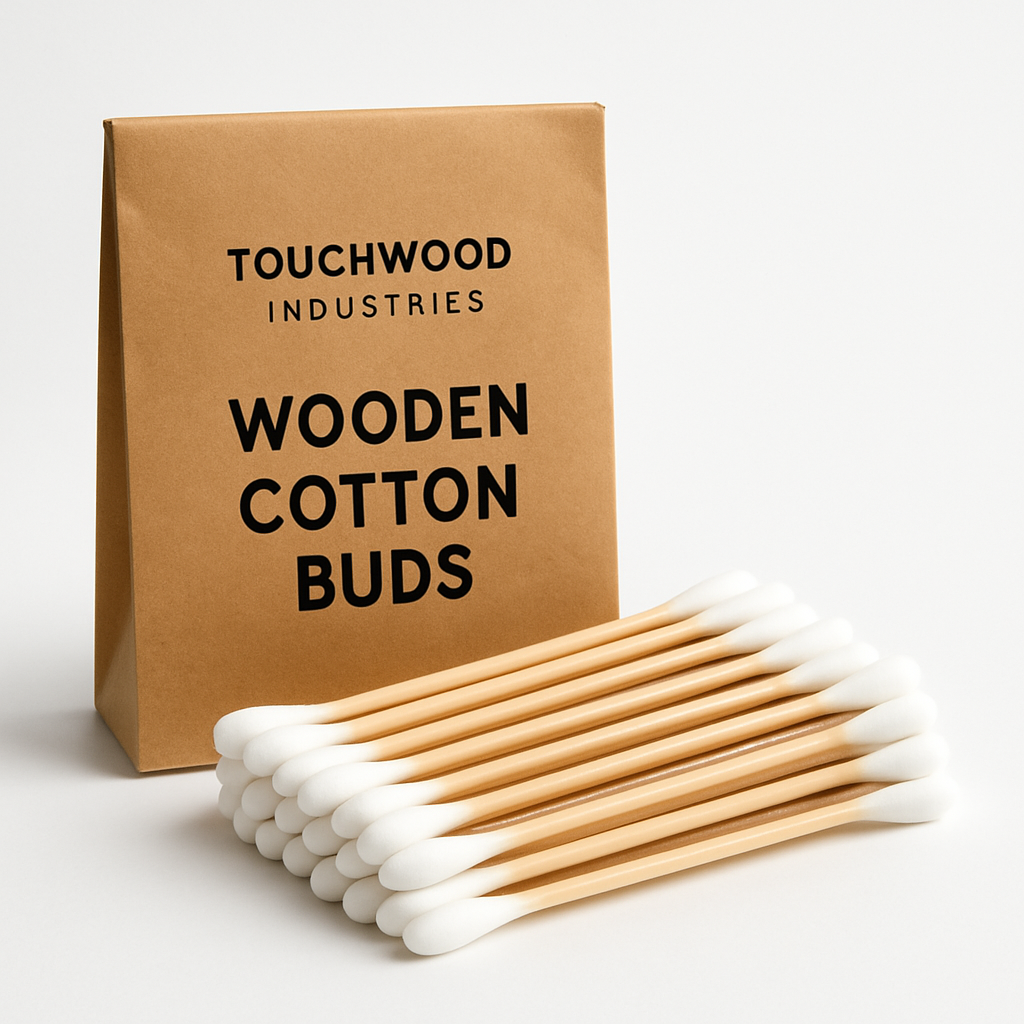
Touchwood Industries is a manufacturer focused on eco-friendly disposable products, headquartered in India. The company offers a range of environmentally friendly products, including cotton ear buds, toothpicks, paper cups, paper plates, and wooden cutlery.
Founded in 2005, Touchwood Industries began with a mission to provide sustainable alternatives to plastic disposable products. They were among the first companies in India to focus exclusively on environmentally friendly disposables, a decision that initially limited their market but positioned them perfectly for the global shift away from single-use plastics that began in earnest around 2018. Their early commitment to sustainability has now become their greatest market advantage.
Product Features and Advantages
Touchwood Industries’ cotton bud products are known for their eco-friendly materials and high hygiene standards. The company’s cotton ear buds are made from pure cotton and compostable sticks, ensuring product safety and environmental friendliness.
Touchwood Industries’ wooden stick cotton buds are particularly suitable for scenarios requiring precise application, such as makeup and medical care. The wooden sticks provide better control and hygiene, making them more comfortable and safe to use.
Their wooden cotton buds feature sustainably sourced wood that undergoes a specialized treatment process to ensure smoothness and splinter-free performance. The cotton tips are attached using natural, non-toxic adhesives, making the entire product biodegradable. This complete eco-friendly approach distinguishes them from competitors who may use eco-friendly sticks but still incorporate synthetic adhesives or treatments.
Environmental and Sustainability Initiatives
As an environmental pioneer, Touchwood Industries actively promotes sustainable development. The company’s products use biodegradable materials, reducing environmental impact. Additionally, Touchwood Industries optimizes production processes to reduce energy consumption and waste emissions.
Their manufacturing facility operates on 40% renewable energy, with plans to reach 75% by 2026. They’ve implemented a zero-waste production system where all wood scraps and cotton waste are either recycled into other products or composted. Their packaging is made from recycled paper and printed with vegetable-based inks, completing their commitment to sustainability across the entire product lifecycle.
Innovation Technology and Quality Control
Touchwood Industries emphasizes product quality and innovation. The company continuously improves production processes to enhance product quality and environmental performance. Their products undergo strict quality control and testing to ensure safety and reliability.
They’ve developed a unique wood treatment process that enhances the natural antibacterial properties of the wood while maintaining its biodegradability. Their quality control system includes both physical testing for strength and performance as well as microbiological testing to ensure product safety. Additionally, they conduct regular environmental impact assessments to identify opportunities for further reducing their ecological footprint.
Why They Made the Top Five
Touchwood Industries earned its place among the best cotton bud manufacturers of 2025 due to its environmental philosophy, high-quality products, and commitment to sustainable development. The company’s eco-friendly cotton bud products are increasingly popular in the global market, especially in regions with strong environmental awareness.
Their unwavering focus on sustainability without compromising on quality or performance has earned them a loyal customer base among environmentally conscious consumers and businesses. As regulatory pressure increases on single-use plastics worldwide, Touchwood’s early adoption of fully biodegradable solutions has positioned them as industry leaders rather than followers scrambling to adapt to new requirements.
Cotton Bud Manufacturer Comparison Table
| Manufacturer | Main Product Types | Environmental Rating | Price Range | Key Advantages | Suitable Scenarios |
|---|---|---|---|---|---|
| Swabmaster | Bamboo, Paper, Plastic, Wooden, Baby-specific, Cosmetic-specific | ★★★★★ | Medium | Product diversity, Customization capability | Personal care, Beauty, Medical |
| Tulips Hygiene | Eco-friendly paper, Colored cotton buds, Special-purpose | ★★★★☆ | Medium | Wide market coverage, Dermatologically tested | Personal care, Beauty |
| Winner Medical | Medical-grade paper stick double-ended cotton buds | ★★★★☆ | Medium-High | Medical-grade quality, Stable production capacity | Medical, Personal care |
| AdvaCare Pharma | Single/double-tip, Plastic/wooden stick, Sterile/non-sterile | ★★★★☆ | Medium-High | Medical expertise background, Global vision | Medical, Personal care |
| Touchwood Industries | Eco-friendly wooden stick cotton buds | ★★★★★ | Medium | Eco-friendly materials, High hygiene standards | Personal care, Beauty, Medical |
How to Choose Cotton Bud Manufacturers That Meet Your Needs
Recommendations for Personal Use
For individual consumers, consider the following factors when choosing cotton bud manufacturers:
- Safety: Choose cotton buds manufactured with safe materials, avoiding those containing harmful substances. Look for products that have undergone dermatological testing and are produced in certified facilities.
- Environmental Impact: Prioritize cotton buds using eco-friendly materials such as paper or bamboo sticks to reduce plastic pollution. Consider the entire lifecycle of the product, including packaging and disposal options in your area.
- Intended Use: Select appropriate cotton bud types based on specific uses, such as makeup application, ear cleaning, etc. Specialized cotton buds often perform better than general-purpose ones for specific tasks.
- Price: Choose the best quality products within your budget range. While premium cotton buds may cost more initially, their performance and safety features often justify the additional expense.
- Availability: Consider brands that are readily available in your region to ensure consistent supply. Some eco-friendly brands may have limited distribution networks compared to mainstream options.
Recommendations for Business Procurement
For business procurement professionals, consider the following factors when choosing cotton bud manufacturers:
- Bulk Customization: Select manufacturers that offer customization services to meet specific requirements. This includes custom packaging, branding opportunities, and product specifications tailored to your needs.
- Quality Certification: Ensure manufacturers possess relevant quality certifications, such as ISO certification. Request samples before placing large orders to verify quality firsthand.
- Supply Chain Stability: Assess the manufacturer’s production capacity and supply chain stability to ensure timely product delivery. Consider manufacturers with multiple production facilities to mitigate supply chain disruptions.
- Price Competitiveness: Compare prices and services from different manufacturers to choose the most cost-effective supplier. Remember that the lowest price doesn’t always represent the best value, especially for products used in healthcare or beauty applications.
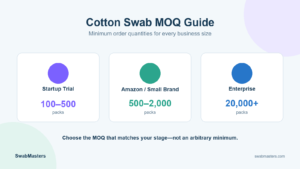
- Minimum Order Quantities: Verify that the manufacturer’s minimum order requirements align with your business needs. Some manufacturers specialize in large-volume production, while others can accommodate smaller, more frequent orders.
Special Needs Considerations
For users with special needs, such as medical institutions or beauty industry professionals, consider the following factors when choosing cotton bud manufacturers:
- Specialization: Choose manufacturers with professional experience in specific fields, such as medical-grade cotton buds. Look for companies with demonstrated expertise in your particular application area.
- Customization Capability: Assess whether manufacturers can customize products according to special needs. This might include specialized tip shapes, sizes, or absorbency levels for specific applications.
- Compliance: Ensure products comply with relevant industry standards and regulatory requirements. For medical applications, this includes sterility standards and biocompatibility testing.
- Technical Support: Consider manufacturers that offer technical consultation and support for specialized applications. The best suppliers act as partners, helping you identify the optimal product specifications for your needs.
- Innovation Pipeline: Evaluate the manufacturer’s research and development capabilities and upcoming product innovations that might address evolving needs in your field.
Cotton Bud Industry Trends and Future Outlook
Sustainable Development Trends
With increasing global environmental awareness, the cotton bud industry is moving toward more sustainable development. More and more manufacturers are beginning to use eco-friendly materials such as paper sticks, bamboo sticks, and wooden sticks to replace traditional plastic sticks. Additionally, biodegradable packaging is gaining increasing attention.
The European Union’s ban on single-use plastic cotton buds has accelerated this transition, with other regions implementing similar regulations. This regulatory pressure has spurred innovation in alternative materials that maintain performance while reducing environmental impact. Consumers are increasingly willing to pay premium prices for truly sustainable options, creating market incentives that align with environmental goals.
Innovative Materials and Technologies
The cotton bud industry is exploring new materials and technologies to improve product performance and environmental friendliness. For example, some manufacturers have begun using organic cotton and renewable materials to reduce environmental impact. Meanwhile, innovative production technologies are making cotton bud products safer and more effective.
Recent innovations include cotton buds with enhanced absorbency for medical applications, antimicrobial treatments for extended shelf life, and biodegradable adhesives that maintain tip attachment strength while allowing complete composting. Some manufacturers are also exploring alternative fibers like bamboo or hemp as sustainable replacements for traditional cotton.
Consumer Preference Changes
Consumers are increasingly concerned about product environmental friendliness and safety, driving changes in the cotton bud industry. Demand for eco-friendly cotton buds, organic cotton buds, and special-purpose cotton buds is increasing, requiring manufacturers to adapt to these changes and provide products that meet consumer needs.
The rise of social media has accelerated awareness of plastic pollution issues, with images of plastic cotton buds washing up on beaches becoming powerful symbols of environmental damage. This has created consumer demand for alternatives even in regions without specific regulations. Additionally, the growing “clean beauty” movement has increased interest in cotton buds specifically designed for precision makeup application and removal.
Market Forecast for 2025 and Beyond
By 2025 and beyond, the cotton bud market is expected to continue growing, especially in emerging markets. Demand for eco-friendly cotton buds will increase significantly, while the market share of traditional plastic stick cotton buds will decline. Meanwhile, the market for professional and special-purpose cotton buds will also expand, providing manufacturers with new growth opportunities.
Asia-Pacific is projected to be the fastest-growing regional market, driven by increasing disposable income and growing awareness of personal hygiene. North America and Europe will continue to lead in premium and specialized cotton bud segments. The global market is expected to see consolidation as smaller manufacturers struggle to meet increasing regulatory requirements and sustainability expectations, while companies that invested early in eco-friendly alternatives will likely gain market share.
Conclusion and Recommendations
In the 2025 cotton bud manufacturer selection, Swabmasters, Tulips Hygiene, Winner Medical, AdvaCare Pharma, and Touchwood Industries have emerged as industry leaders due to their excellent product quality, innovation capabilities, and environmental commitments. These companies not only provide high-quality cotton bud products but also actively promote the industry’s development toward greater sustainability.
For consumers and procurement professionals, choosing suitable cotton bud manufacturers should comprehensively consider product quality, environmental friendliness, intended use, and price factors. With increasing environmental awareness and technological advancement, the cotton bud industry will continue to innovate and develop, providing users with better products and services.
Whether you’re an individual consumer or a business procurement professional, we recommend prioritizing the five top-tier cotton bud manufacturers featured in this article, as they represent the industry’s highest standards and best practices. By choosing products from these quality manufacturers, you can not only enjoy a better user experience but also contribute to environmental protection and sustainable development.
Frequently Asked Questions
What are the safe usage methods for cotton buds?
Cotton buds should be used according to product instructions, avoiding insertion deep into the ear canal to prevent eardrum damage. For babies and children, use should be supervised by adults. After use, proper disposal is necessary to avoid environmental pollution.
Medical professionals generally advise against using cotton buds for ear cleaning, as they can push wax deeper into the ear canal and potentially damage the eardrum. Instead, they recommend using them only for cleaning the outer ear or for other applications like makeup application or precision cleaning of small objects.
How can I distinguish between high-quality and low-quality cotton buds?
High-quality cotton buds typically have the following characteristics: tightly packed cotton heads that don’t easily detach, sturdy sticks that don’t easily bend, safe and non-toxic materials, proper packaging with clear product information. Low-quality cotton buds may have loose cotton heads, easily breakable sticks, unsafe materials, and other issues.
Quality cotton buds will also have consistent manufacturing standards, with uniform cotton tip size and density across the entire package. The cotton should be firmly attached to the stick and shouldn’t shed fibers during use. For medical or cosmetic applications, this consistency is particularly important for reliable performance.
What are the differences between eco-friendly cotton buds and traditional cotton buds?
Eco-friendly cotton buds typically use biodegradable materials such as paper sticks, bamboo sticks, or wooden sticks, while traditional cotton buds often use plastic sticks. Eco-friendly cotton buds can naturally decompose after use, reducing environmental impact, while plastic stick cotton buds may take hundreds of years to decompose, causing environmental pollution.
Beyond the stick material, truly eco-friendly cotton buds also consider other aspects of sustainability, such as organic cotton cultivation, non-toxic processing, biodegradable adhesives, and recyclable or compostable packaging. Some manufacturers have also developed innovative approaches to reduce water and energy consumption during production.
What characteristics are needed for cotton buds in different application scenarios?
Different application scenarios require different characteristics for cotton buds:
- Medical use: Requires sterility, high absorbency, and precise control. Medical cotton buds often have longer sticks for better reach and specialized tip shapes for different procedures.
- Beauty use: Requires softness, no cotton shedding, and precise application. Cosmetic cotton buds may have different tip shapes and sizes for various makeup applications, from precision eyeliner correction to broader foundation blending.
- Baby care: Requires ultra-softness, non-toxic materials, and appropriate size. Baby cotton buds typically have safety features like larger tips to prevent over-insertion into the ear canal.
- Household cleaning: Requires durability, good absorbency, and appropriate hardness. These may have stronger sticks and more firmly attached cotton tips to withstand pressure during cleaning tasks.
How should used cotton buds be properly disposed of?
Used cotton buds should be disposed of according to material type:
- Paper, bamboo, or wooden stick cotton buds: Can be processed with organic waste or composted. These will typically decompose within 3-6 months in proper composting conditions.
- Plastic stick cotton buds: Should be disposed of with regular garbage, never flushed down toilets. Even when disposed of properly, these may persist in landfills for hundreds of years.
- Medical cotton buds: Should be disposed of according to medical waste regulations, typically requiring special handling. In healthcare settings, these are often treated as biohazardous waste requiring sterilization before disposal.
Many municipalities now have specific guidelines for disposing of different types of cotton buds, so it’s advisable to check local waste management recommendations. Some communities offer special collection points for biodegradable waste that can handle eco-friendly cotton buds.